
 Image 1 of 1
You deserve help understanding what remains—not pressure to be “over it” because the relationship ended.
Separation can change the circumstances without immediately changing every learned response, practical tie or expectation.
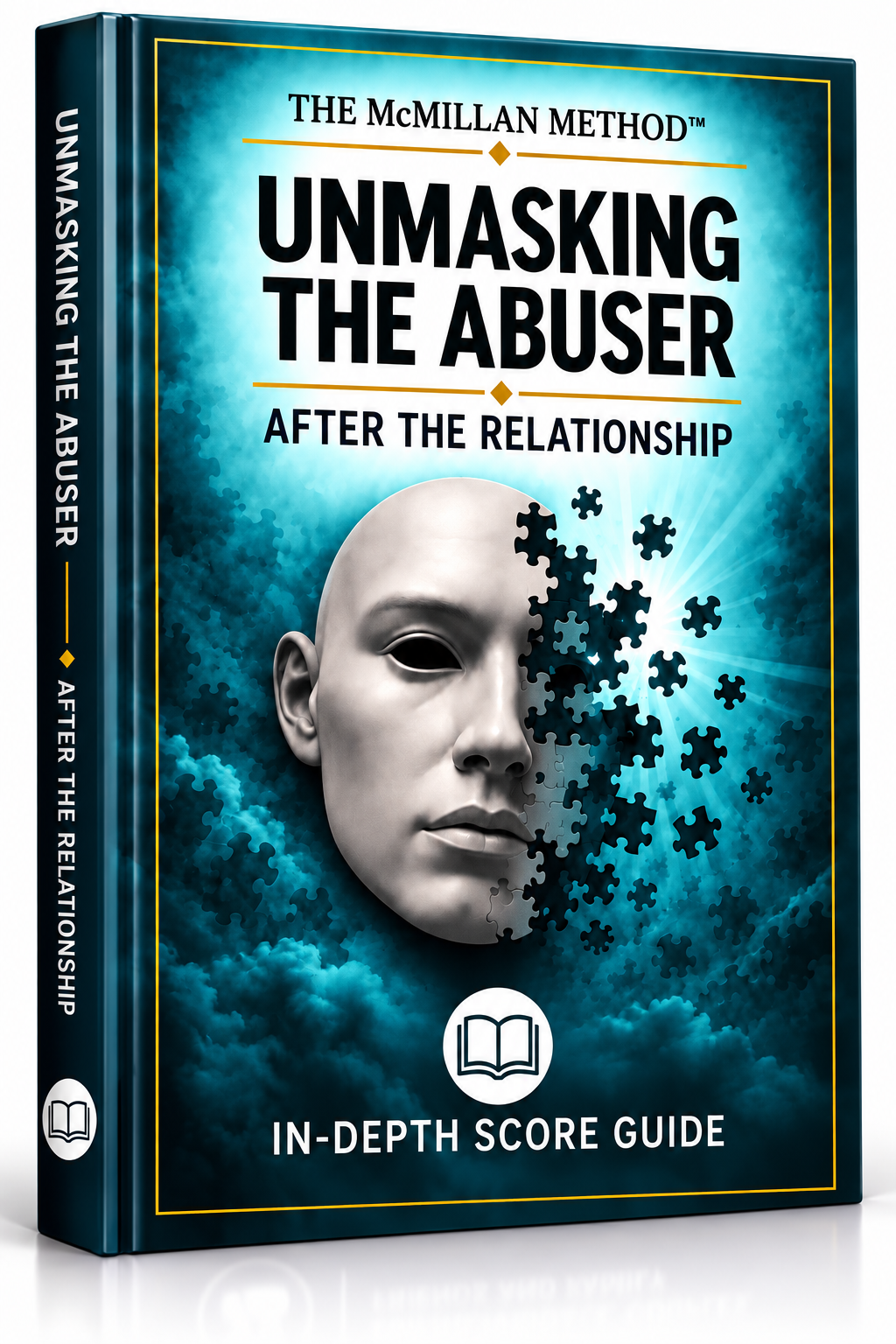
The After the Relationship Score Guide helps you interpret your assessment while keeping those different experiences distinct.
Inside, you’ll explore:
Necessary contact and unwanted personal access: how practical coordination can become entangled with demands for conversation or reconciliation.
Promises of change and sustained behavior: what happens when you remain apart, decline contact or make a choice the former partner dislikes.
Responses that persist without contact: anticipating disapproval, concealing harmless decisions or returning to familiar explanations.
The lasting effects of Feeding the Weeds: how encouraged suspicion and conflict may continue affecting relationships and opportunities.
Parenting-related pressures: distinguishing ordinary obligations from reported use of children, arrangements or promises to create pressure.
A new relationship: giving present conduct proper attention rather than accepting something solely because it is less severe than before.
The guide helps you make sense of mixed experiences without forcing them into one story.
Feeling calmer doesn’t erase an earlier event. Feeling anxious doesn’t, by itself, prove that a new person has behaved harmfully. These distinctions help you work more accurately with what you know.
You’ll find examples of connected answers, explanations of separate safety findings, and guidance on bringing the relevant sections to a domestic violence advocate, mental-health professional or other appropriate specialist.
You do not have to resolve every question about the past before seeking support for your choices now.
Digital companion to the After the Relationship Assessment, sold separately. Educational guidance, not therapy, a diagnosis or a substitute for individualized professional advice.